

Collect Audience Questions and Objections
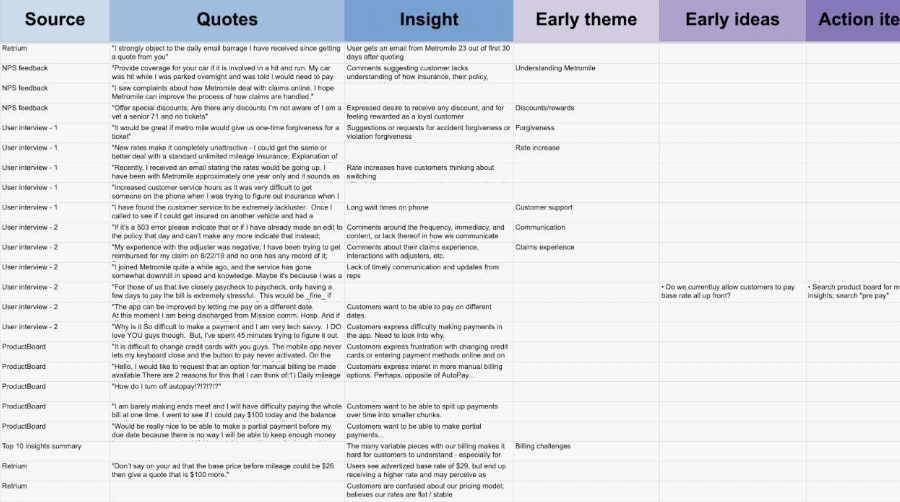
Start with the data already available to you: customer interviews, sales conversations, support requests, and feedback from former customers. Then review open topic-specific chats and comments in Telegram.
Record the situation, the user’s question, the alternative they are considering, and their concern. Compare observations from different sources. A single emotional comment can suggest a direction for research, but it is not enough to draw conclusions about the entire audience.
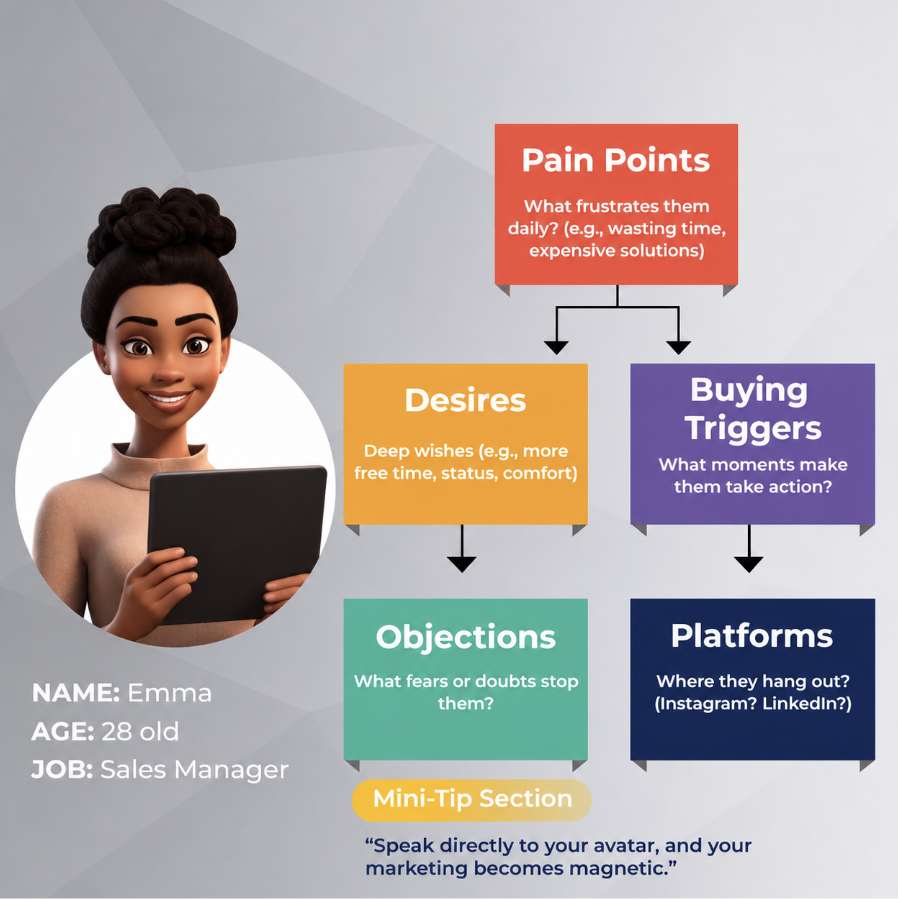
Different people may have different reasons for choosing the same product. Some want to save time, while others are concerned about cost or setup complexity. A broad statement such as “customers need automation” hides these differences and makes it harder to prepare a precise advertising message.
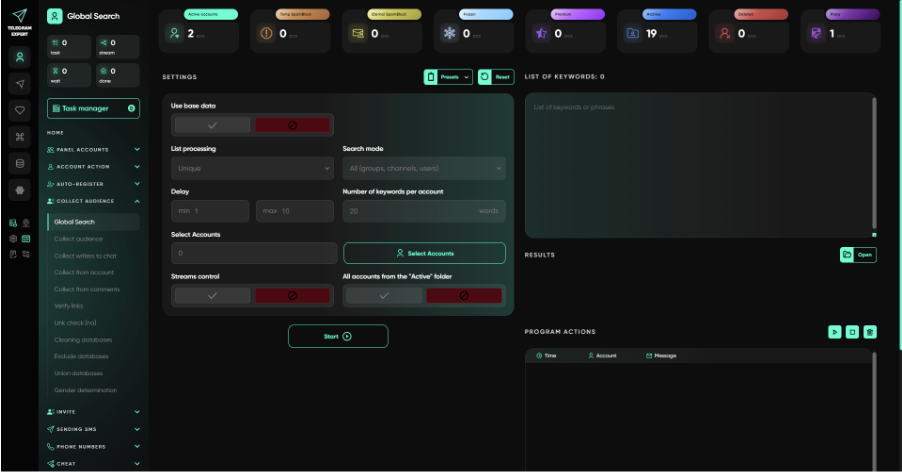
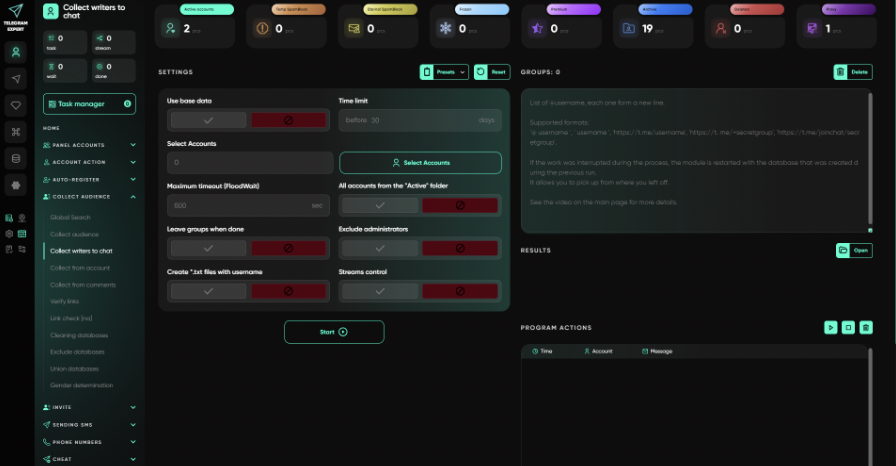
To find relevant communities and collect audience data, you can use Telegram Expert. The parser supports keyword-based search for chats and channels, collection of community members and commenters. The software also includes database cleanup, username and link validation, duplicate removal, and merging of up to five databases.
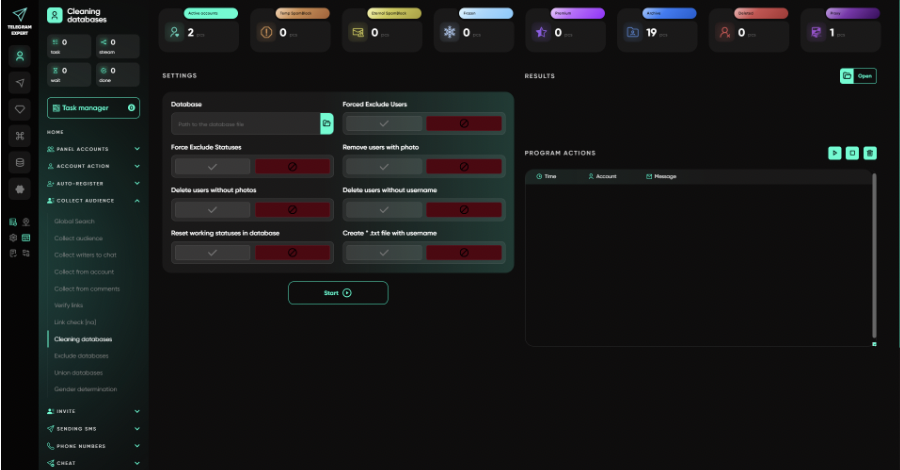
The collected data helps organize the research and identify discussions worth studying. The specialist still identifies recurring questions and objections independently by comparing the content of messages with other customer data.
Turn Observations into Advertising Hypotheses
For each recurring question, formulate the main idea of the ad and determine what evidence can support the advertising promise.
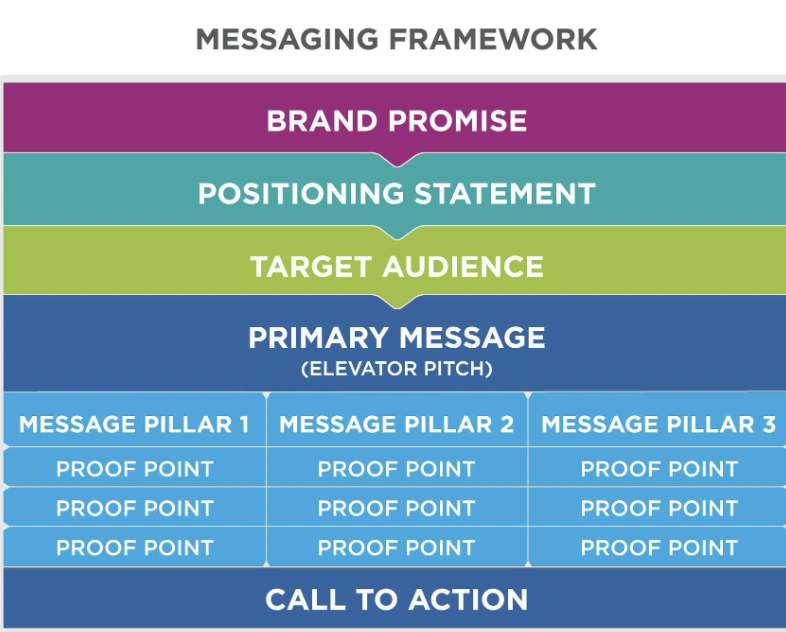
For example, potential buyers may discuss difficulties working with several tools. You can test a message that shows a specific workflow and explains how the product helps organize it. Other possible directions include demonstrating a feature, comparing solutions, or addressing a common concern.
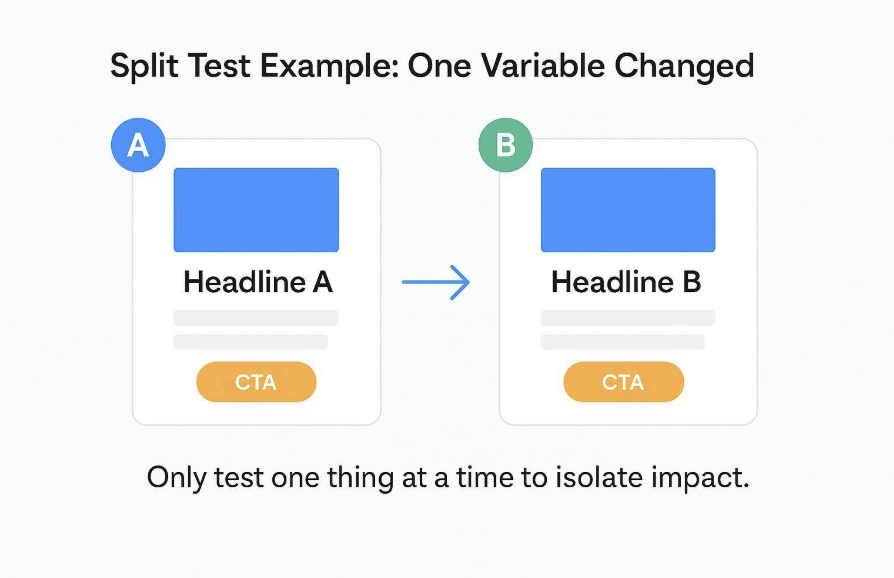
Try to test genuinely different messages. Several ads with only minor wording changes do little to reveal which reason for choosing a product matters most to the audience.
If the research covers several topic-specific communities,Telegram Soft Expert helps collect data about their audiences and prepare databases for further work. For example, you can separately collect chat members from different subject areas, remove duplicate records, and check username availability. This is useful when studying adjacent segments: a specialist can compare the composition of the communities found with questions and objections from discussions, and then prepare a separate advertising hypothesis for each segment.
Validate the Promise Before Launch
Every advertising claim should be supported by the product’s actual capabilities, a demonstration, or a clear explanation. The landing page and follow-up communication should also develop the topic raised in the ad.
A popular phrase from a discussion can point to a useful direction for testing. The wording of the advertising promise should still be checked against the product’s real capabilities.
Test Hypotheses and Account for Costs
Before launch, write down the hypothesis and define the success criterion. Compare several messages under comparable conditions while changing only a limited number of elements. Wait until you have enough data and record the result so it can be used when preparing future tests.
Evaluate metrics in the context of the campaign goal. Click-through rate helps show whether the ad attracts attention. To assess commercial results, track qualified leads, purchases, and revenue.
When running several advertising campaigns, it is also important to control spending. FuncCards offers separate virtual cards for advertising projects and clients, spending limits, and transaction monitoring. This helps allocate expenses and reconcile budgets. Creative performance should still be evaluated using data from advertising platforms and sales systems.
Studying real conversations helps determine which advertising messages are worth testing. Campaign results then show which of those messages work under specific conditions.
Conclusion
Work on advertising creatives starts with understanding the audience. Questions from topic-specific chats, buyer objections, and customer experience help identify themes worth using in ads. Telegram Expert simplifies the collection and organization of audience data, while testing shows which advertising messages actually lead to target actions. Save test results together with the original hypotheses so that each new launch is based on accumulated evidence rather than only on the team’s assumptions.