
Virtual Cards for Conference Payments and Corporate Travel
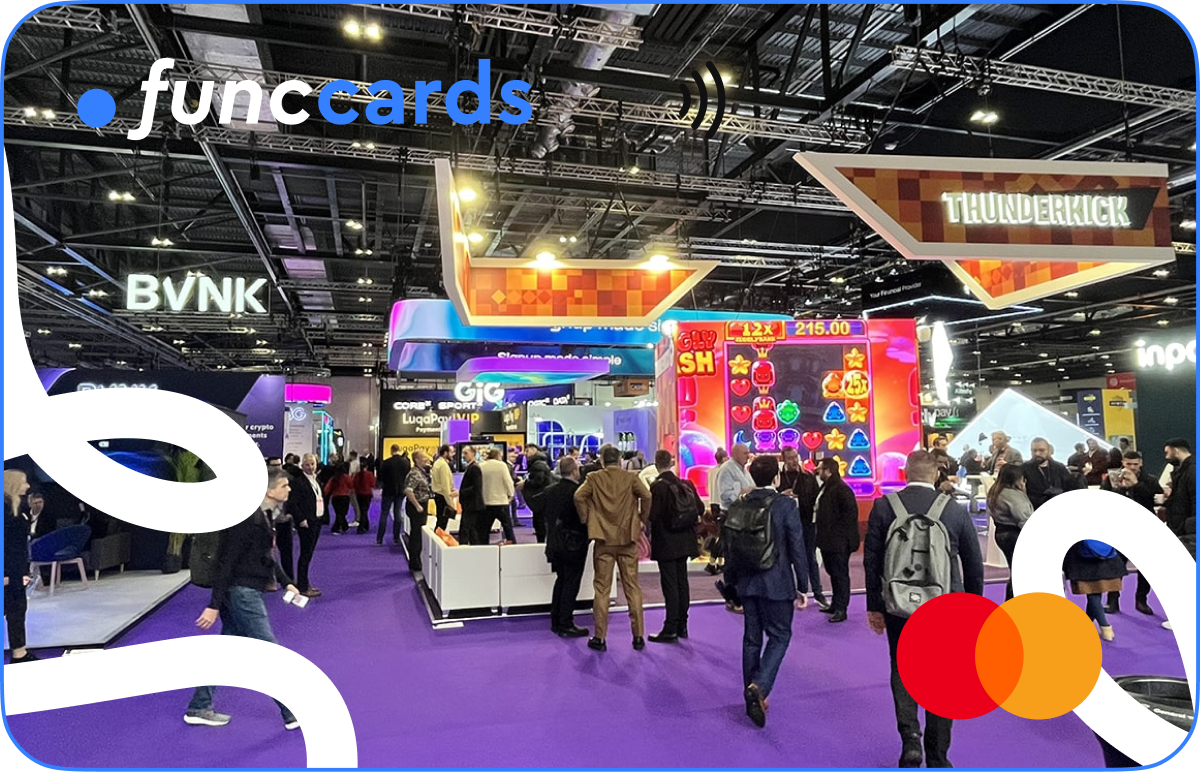
Conference participation is expensive, fast moving and full of operational payments. A company may need to pay for an exhibition booth, book flights, reserve hotels, cover team meals, pay for local transport, buy branded materials, run ads before the event and handle urgent expenses on site.
For one employee, this may look like a normal business trip. For a finance team, it can become a messy flow of invoices, card charges, reimbursement requests, receipts and last minute approvals. One shared corporate card is often not enough. Personal cards create reimbursement delays. Bank transfers can be too slow for booth deadlines, hotel bookings and urgent travel changes.
That is why companies that regularly attend industry events use a virtual card for corporate travel and conference payments. A virtual card can be issued for a specific conference, employee, team, vendor or expense category. It helps companies control budgets, avoid mixed expenses and pay faster across platforms and countries.
With FuncCards, teams can issue virtual cards without KYC, top up balances with USDT and USDC, connect cards to Apple Pay and Google Pay, and use them for conference booth payments, travel bookings, hotels, flights, meals, services and event expenses.
For companies that need one payment tool for conference bookings, hotels, flights and daily travel expenses, a multi currency debit card can work as a flexible alternative to a traditional corporate card.
Why Conference Payments Are Difficult for Companies
Conference payments are rarely limited to one invoice. A single event can involve several departments, multiple vendors, different platforms and several payment deadlines. Marketing may pay for the booth. Sales may book flights. Finance may approve hotels. Operations may handle transport, equipment and local services.
When all expenses go through one card or one slow bank process, the company quickly loses clarity.
Conference Costs Come From Different Sources
A conference budget usually includes much more than the participation fee. Companies often need to pay for:
- Exhibition booth or sponsorship package.
- Delegate passes and speaker tickets.
- Flights and train tickets.
- Hotels and apartments.
- Meals and client dinners.
- Local transport, taxis and transfers.
- Printing, stands, banners and branded materials.
- Equipment rental.
- Event apps, lead scanning tools and SaaS platforms.
- Paid ads and promotion before the event.
- Contractor and vendor payments.
- Emergency purchases during the event.
Each payment may happen through a different platform. Some vendors require card payment. Some request a deposit. Some need to be paid immediately to secure a booking. This is where a virtual card for conference payments becomes useful.
Booth Payments and Deposits Are Time Sensitive
A conference booth payment often has a strict deadline. If the company does not pay on time, the organizer may release the spot to another exhibitor. This is especially important for popular industry events where booth locations, sponsorship tiers and speaking opportunities are limited.
The same applies when companies need to pay for exhibition booth upgrades, stand design, electricity, furniture, Wi Fi, catering, scanners, extra badges or branded zones. These payments are often urgent and cannot wait for a slow internal approval chain.
A virtual card for conference booth payments allows the team to allocate a specific budget for the event and pay the organizer or vendor directly.
Travel Expenses Change Quickly
Corporate travel expenses are dynamic. Flight prices change, hotel rooms sell out, transfer costs vary and last minute changes happen often. If an employee waits too long for approval, the price may increase before the booking is completed.
A business travel payment card helps teams act faster. Finance can issue a dedicated card for a trip, set a limit and let the employee or manager pay for approved travel expenses without using a personal card.
What Is a Virtual Card for Corporate Travel
A virtual card for corporate travel is a digital payment card used for business trips, conferences, hotels, flights, meals, transport and other travel costs. It has a card number, expiration date and CVV, so it can be used online. If it supports Apple Pay and Google Pay, it can also be used for contactless payments during the trip.
Unlike a traditional corporate card, a virtual card can be issued for a specific purpose. For example, one card can be created for a conference in Lisbon, another for a sales team trip, another for booth production and another for hotel bookings.
For companies that need a flexible payment tool for international trips, a multi currency debit card can help cover hotels, flights, services and daily business travel expenses without mixing everything on one shared company card.
How Virtual Cards Work for Business Travel
The company creates a card, funds it and assigns it to a person, project or category. The card can then be used for approved expenses. Once the trip or event is over, the card can be limited, closed or kept for recurring payments.
This helps companies avoid one of the biggest problems in corporate travel: mixed expenses. Instead of having all payments on one card statement, finance can see which card belongs to which event, employee or department.
Why Virtual Cards Are Better Than Personal Cards
Many companies still ask employees to pay for business trips with personal cards and submit reimbursement requests later. This creates problems for both sides.
Employees do not want to use personal funds for business expenses. Finance teams do not want to process dozens of receipts manually. Managers do not want to approve expenses after they already happened.
Virtual cards solve this problem. The company funds the card in advance, and the employee pays from the business balance. This creates more control, faster payments and fewer reimbursement issues.
Where Companies Can Use Virtual Cards for Conferences
A virtual card for event expenses can support the full conference workflow, from early planning to on site payments.
Pay for Exhibition Booths and Sponsorships
Companies can use a virtual card to pay for exhibition booth reservations, sponsorship packages, upgraded booth locations, branded zones, demo areas and extra passes.
This is useful for companies that regularly attend industry conferences, sponsor events, buy exhibition booths or send teams abroad for sales, partnerships and business development. IT, SaaS, crypto, Web3, fintech, affiliate, iGaming, marketing and product teams often need a fast way to pay for booths, sponsorships, flights, hotels, contractors and on site expenses without mixing everything on one corporate card.
Book Hotels and Flights
Hotels and flights are among the most common corporate travel expenses. A virtual card for business travel can be used to book rooms, pay for flights, confirm reservations and manage deposits.
A separate card for each trip helps finance understand how much one event actually costs. It also prevents conference expenses from mixing with daily operational expenses.
Pay for Meals and Local Transport
During a conference, employees may need to pay for taxis, client lunches, team dinners, public transport, parking, delivery or small purchases. If the virtual card supports Apple Pay and Google Pay, the employee can use it on site without carrying a physical corporate card.
This is especially useful for teams that travel often and need a simple payment tool for real time expenses.
Pay Event Vendors and Contractors
Conference teams often work with vendors: booth builders, designers, printers, translators, photographers, hostesses, equipment providers and logistics partners. Some vendors accept card payments or online invoices.
A virtual card makes it easier to pay approved vendors without exposing the company’s main corporate card.
Why One Corporate Card Is Not Enough
One shared corporate card may work for a small company with occasional travel. It becomes inefficient when the company attends several conferences, sends multiple employees abroad or manages several event budgets at the same time.
Expenses Get Mixed
If one card is used for everything, finance has to sort all payments manually. Was this hotel for the sales conference or the product team offsite? Was this meal with a client or an internal team dinner? Was this ad spend related to the conference or to another campaign?
Separate virtual cards make reporting cleaner. One card can be assigned to one event, one trip or one expense category.
Limits Become a Problem
A shared card can hit a limit at the worst moment. One team books hotels while another tries to pay for the booth. A manager buys flights while a marketer pays for event promotion. If the limit is reached, all payments stop.
With virtual cards, limits can be assigned by project or employee. For finance teams, team expense control helps keep conference budgets, employee limits, business travel expenses and emergency payments transparent.
Card Sharing Creates Risk
Sharing one card between several employees is not secure. Card details may be sent in chats, saved in different platforms or used without clear responsibility.
Virtual cards reduce this risk because each card can be assigned to a specific person, project or payment type. If something goes wrong, the card can be blocked or replaced without affecting the whole company.
How FuncCards Helps With Conference Payments
FuncCards gives companies a more flexible way to manage conference payments and corporate travel expenses. Instead of waiting for a local bank, issuing physical cards or relying on reimbursements, teams can create virtual cards for specific tasks.
No KYC for Faster Card Issuing
FuncCards cards are issued without KYC. This is useful for teams that need to move quickly and do not want a long banking process before every new payment setup.
For conference and travel teams, speed matters. If a booth needs to be paid, a flight needs to be booked or a hotel needs to be confirmed, a fast virtual card can prevent delays.
If a company needs to start paying quickly without a long banking process, a prepaid card without verification can be used for conference payments, travel bookings, booth expenses and urgent operational payments.
USDT and USDC Top Ups
FuncCards supports top ups in USDT and USDC. This is useful for international businesses, crypto companies, marketing agencies, iGaming companies, fintech teams and other companies that work across countries and currencies.
Crypto top ups give companies another way to fund cards without relying only on bank transfers. This can be helpful when travel or event payments need to happen quickly.
Apple Pay and Google Pay for On Site Expenses
A conference does not only involve online payments. Employees also need to pay on site: taxis, meals, transport, supplies, printing, small equipment or urgent services.
FuncCards supports contactless payments with Apple Pay and Google Pay, so a virtual card can be used for on site conference and travel payments where contactless payments are accepted.
How to Organize Corporate Travel Expenses With Virtual Cards
The main value of virtual cards is not just payment. It is structure. Companies can build a clear system around who spends, how much they spend and what the payment is for.
Card by Conference
Create one card for each conference. Use it for booth payments, sponsorships, flights, hotels, meals, transport and event tools connected to that specific conference.
This helps calculate the real cost of participation and compare events later.
Card by Employee
Create a card for each employee traveling to the event. Set limits based on their role, trip length and approved budget.
This is useful for sales teams, speakers, account managers, business development teams and event managers.
Card by Expense Category
Create separate cards for:
- Booth and sponsorship payments.
- Flights and transport.
- Hotels and accommodation.
- Meals and client entertainment.
- Advertising and event promotion.
- Contractors and vendors.
- Emergency expenses.
This structure gives finance better visibility and makes reconciliation easier. It is especially useful when companies need to control team expenses across conferences, departments, employees and travel budgets.
Virtual Cards for Different Business Types
Conference payments and corporate travel expenses are common for companies that regularly attend industry events, sponsor conferences, buy exhibition booths or send teams abroad for sales, partnerships and business development.
Virtual cards are especially useful for these business types.
IT and SaaS Companies
IT and SaaS companies often attend conferences to find clients, meet partners, present products and generate leads. Their event budgets usually include booth payments, sponsorship packages, flights, hotels, demo equipment, SaaS tools, ads and team travel expenses.
A virtual card helps separate each conference budget from daily operational expenses and makes it easier to track the real cost of every event.
Crypto and Web3 Companies
Crypto and Web3 companies often work internationally and attend conferences across different regions. They may need to pay for exhibition booths, side events, hotels, flights, contractors, branded materials and on site expenses.
A virtual card with USDT and USDC top ups helps turn crypto balances into practical business payments for conference participation and corporate travel.
Marketing Agencies and Media Buying Teams
Marketing agencies and media buying teams attend industry events to meet clients, partners, traffic sources and affiliate networks. They may need to pay for tickets, booths, sponsorships, flights, hotels, advertising campaigns and team expenses during the event.
Separate virtual cards help split event budgets from ad budgets, client budgets and internal team expenses.
Affiliate and iGaming Companies
Affiliate and iGaming companies often participate in global conferences, exhibitions and networking events. Their expenses can include booth payments, sponsorships, flights, hotels, side events, contractors, meals and local transport.
A virtual card for conference payments helps keep each event budget separate and gives finance teams better control over corporate travel expenses.
Fintech Companies
Fintech companies attend conferences to build partnerships, meet clients, present products and connect with payment providers. These events often require fast payments for exhibition booths, tickets, travel, hotels, event services and promotional materials.
Virtual cards help fintech teams manage event payments without relying on one shared corporate card.
Startups and Product Teams
Startups and product teams use conferences to test markets, meet investors, launch products, find partners and collect feedback. Their event budgets are usually limited, so every payment needs to be controlled.
A virtual card helps set a clear budget for each trip, avoid overspending and track all conference related expenses in one place.
What You Can Pay With a Virtual Card
| Scenario | Works | Comment |
|---|---|---|
| Conference booth payment | Yes | Useful for booth reservations, sponsorships and event packages |
| Exhibition booth upgrades | Yes | Useful for extra furniture, Wi Fi, electricity, badges and branded zones |
| Flights and train tickets | Yes | Convenient for business travel bookings |
| Hotels and apartments | Yes | Suitable for online bookings and accommodation payments |
| Meals and client dinners | Yes | Convenient with Apple Pay and Google Pay where accepted |
| Taxis and transfers | Yes | Useful for apps and contactless payments |
| Event contractors | Depends | Works if the vendor accepts card or online payment |
| Government or visa fees | Depends | Some services accept only local cards or bank transfers |
| Event promotion and ads | Yes | Useful for separating campaign budgets |
| Emergency purchases on site | Yes | Useful for supplies, printing, equipment and urgent needs |
Financial Checklist for Conference Payments
- Create a separate budget for each conference.
- Issue one virtual card for the conference.
- Issue separate cards for employees if needed.
- Set limits before the trip starts.
- Use one card for booth and sponsorship payments.
- Use another card for flights and hotels.
- Add cards to Apple Pay or Google Pay for on site expenses.
- Top up balances with USDT or USDC if needed.
- Keep one backup card for urgent payments.
- Review transactions after the event.
- Close or limit cards after the conference ends.
- Compare event expenses with leads, deals and revenue.
How Virtual Cards Improve Reporting
Conference ROI is hard to measure if costs are not structured. Many companies track booth fees, but forget to include flights, hotels, meals, local transport, contractors, ads and urgent purchases.
Virtual cards help fix this by making every payment easier to assign.
Cleaner Event Budgets
If all conference payments go through dedicated cards, the finance team can see the real cost of the event. This helps management decide which conferences are worth attending again.
Easier Internal Reporting
Separate cards by conference, employee or expense category make internal reporting much easier. The company can see exactly which expenses belong to which event, trip or department.
Less Manual Work
Virtual cards reduce the need to manually sort mixed card statements. When cards are organized by project or category, reconciliation becomes faster.
For larger teams, API and integrations can help connect card data with internal reporting, finance tools or expense tracking systems.
Security Tips for Conference and Travel Cards
Virtual cards can improve security, but only if the company uses them correctly.
Do Not Share One Card With Everyone
Each card should have a clear owner or purpose. Do not send card details in group chats or use one card across too many platforms.
Use Limits
Set limits based on the approved budget. This prevents overspending and protects the company if card details are exposed.
Close Cards After the Event
If a card was created for one conference, limit or close it after the event. This prevents unexpected future charges.
Keep a Backup Card
Travel and events are unpredictable. A backup card helps if a booking fails, a hotel asks for another payment method or an employee needs to make an urgent purchase.
FAQ
What Is a Virtual Card for Conference Payments?
A virtual card for conference payments is a digital card used to pay for exhibition booths, sponsorships, tickets, hotels, flights, meals, contractors and other event expenses. It helps companies separate conference budgets and control payments.
What Is a Business Travel Payment Card?
A business travel payment card is a card used to pay for corporate travel expenses such as flights, hotels, meals, taxis, transfers, bookings and employee expenses during business trips. A virtual card can be issued for a specific trip, employee or conference, which makes expense control easier.
Can I Use a Virtual Card for Event Expenses?
Yes. A virtual card for event expenses can be used for conference booths, sponsorships, hotel bookings, flights, contractors, event tools, advertising and urgent purchases on site. It helps separate event costs from other company expenses.
Can I Pay for an Exhibition Booth With a Virtual Card?
Yes, if the event organizer accepts card or online payments. A virtual card can be used for exhibition booth payments, sponsorship packages, booth upgrades and other event related fees.
Is a Virtual Card Good for Corporate Travel?
Yes. A virtual card for corporate travel works well for hotels, flights, meals, taxis, transport, subscriptions and travel services. Companies can also use team expense control to set limits and separate business travel expenses by employee, conference or department.
Can Employees Use Virtual Cards During Business Trips?
Yes. A company can issue separate cards for employees and set limits. If the card supports Apple Pay and Google Pay, employees can use it for contactless payments during the trip.
Why Not Use One Corporate Card for All Conference Expenses?
One shared card makes expenses harder to track and creates operational risk. If the card is blocked or reaches its limit, all payments may stop. Separate virtual cards give more control.
Can FuncCards Be Topped Up With Crypto?
Yes. FuncCards supports USDT and USDC top ups. This is useful for international teams and companies that want more flexibility in funding business travel and event expenses.
Does FuncCards Require KYC?
No. FuncCards issues cards without KYC, which helps teams get payment tools faster without a long banking process.
Can I Use FuncCards With Apple Pay and Google Pay?
Yes. FuncCards supports Apple Pay and Google Pay, which makes the cards convenient for on site conference and travel payments where contactless payments are accepted.
Read Also
- Multi currency debit card for business travel
- Prepaid card without verification
- Contactless payments with Apple Pay
- Team expense control
- API and integrations for business payments
Conclusion
Conference payments and corporate travel expenses are difficult to manage when everything depends on one card, slow bank transfers or employee reimbursements. Booth payments, hotel bookings, flights, meals, contractors, event tools and urgent purchases need a faster and more flexible payment setup.
Virtual cards help companies organize conference and travel payments by event, employee, department or category. They make it easier to control budgets, reduce reimbursement work, improve reporting and avoid payment delays.
FuncCards gives teams a practical way to manage business travel and event expenses. Cards are issued without KYC, can be topped up with USDT and USDC, support Apple Pay and Google Pay, and can be used for conference booth payments, hotels, flights, meals, contractors and corporate travel expenses.
Register with FuncCards and issue virtual cards for your next conference, business trip or corporate travel project.