
Social Media SEO: Tips for Improving Visibility

While search engine optimization (SEO) used to be seen as something exclusive to Google, it’s now much broader. As platforms like TikTok, Instagram and Pinterest become go‑to sources for information and product discovery, SEO practices have expanded to these networks.
Optimizing for social media search increases the likelihood that people will find you both on social networks and via search engines, raising awareness of your brand. It benefits marketers looking to sell, creators wanting to grow their channels, and social media managers seeking to demonstrate their value.
In this article, we’ll discuss why social media SEO is important, share tactics to make your content more searchable, and review tailored optimization approaches for specific platforms.
What Is Social Media SEO?
Social media SEO refers to refining your profiles and posts so they appear more prominently in search results and recommendation feeds. This practice pays off because it:
- Makes your profiles and content easier to find: Well‑tuned accounts surface more often and higher in search results and Explore tabs, placing your posts before more viewers.
- Extends the life of your posts: Content that’s optimized can continue driving traffic long after it’s published.
- Gives you a competitive edge: Good SEO helps your material show up ahead of competitors’ posts.
- Improves the user experience: Clear, relevant keywords help people find the information they need. For instance, a fitness creator who includes phrases like “at‑home beginner workouts” or “burpees tutorial” in their posts makes it easier for users to locate those workouts.
- Drives engagement: When your content aligns with what users are searching for, they are more likely to interact with it. For example, if your video surfaces in a search for “at‑home workout,” fitness fans may save it or comment with their thoughts.
Does Social Media SEO Impact Your Visibility in Traditional Search Engine Results?
Absolutely. Search engines like Google now index social media posts. By optimizing your content, you help them understand and categorize it, making it more likely to appear in search results.
Consider a Pinterest post from Paradise of Gadgets. It appears when people search “lip gloss phone cases” because it uses relevant keywords.

Social Media SEO Strategies
To improve how easily people can find you, try the following strategies:
Research Your Niche’s Keywords
Everything begins with keywords. Identify the terms your intended audience uses when looking for content or products like yours.
A simple method for discovering keywords is by using the search suggestion features on social networks. For example, if you create food videos on TikTok, type a starter word like “cooking” into the search bar and see what suggestions come up. These suggestions reflect real user queries and can help you target the right terms.
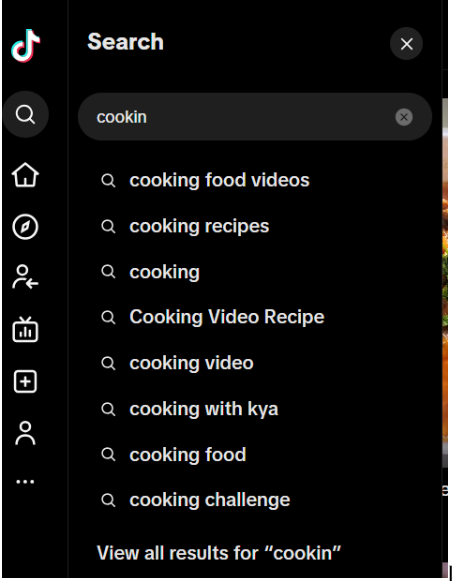
You can also use keyword tools such as Ahrefs or Semrush. Similar to built‑in search tools, you enter a relevant word or phrase and get a list of popular related keywords.
Optimize Profiles
Your profile information tells algorithms what your content is about. The more clearly you present yourself, the more likely your posts will reach the right people. You can optimize your profile by:
- Stating what you do and what value you provide in your bio.
- Weaving keywords into your bios and even your username.
- Linking out to your website, blog or shop.
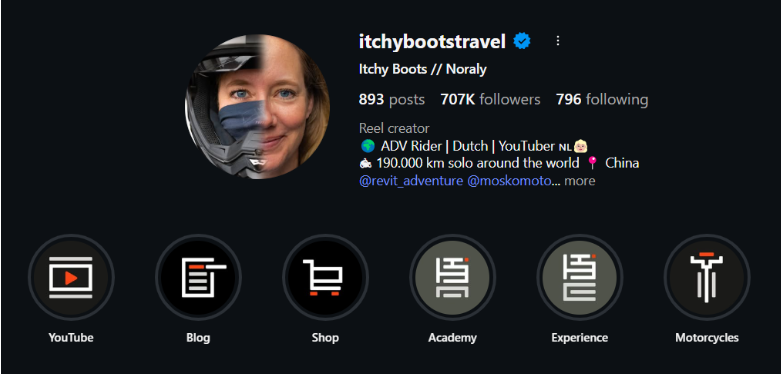
The profile of Itchy Boots exemplifies this: the creator picked a username that matches their travel theme, described their niche in the bio, and linked to a travel-inspired book.
Optimize Your Content
You can increase your posts’ visibility by sprinkling appropriate keywords throughout. Good places to add them include titles, captions and hashtags. Doing this helps algorithms align your content with people’s searches.
Additionally, write detailed captions that relate to your content. If you share a baking video, for instance, mention the type of cake you are making so the algorithm knows what the clip is about.
Add Your Own Alt Texts
Many creators skip this step because platforms automatically generate alt text. Yet this is a mistake. Automated tools rely on image-recognition software and often produce generic descriptions that don’t help algorithms.
Whenever you can, write your own alt text and make it specific. This gives the algorithms a clearer understanding of your post, which can help it appear in more searches.
For example, when uploading a photo of a well‑known landmark to Instagram, edit your picture, tap Next, open the Accessibility section and add the name and location of the attraction as the alt text. This increases the chances of your picture appearing when people search for that destination.
Maximize Engagement
You might wonder why engagement matters for search visibility. The answer is: a great deal.
Here’s why: algorithms gauge the value of content by looking at the reactions it receives. When your posts get more likes, comments or shares, they appear more valuable to the algorithm. This leads platforms to promote them to wider audiences and rank them higher in search results.
Therefore, you shouldn’t neglect engagement. To raise your engagement:
- Encourage your audience to like, share and comment on your posts.
- Respond to and like comments from your followers.
- Interact with other creators by liking and resharing their posts when they align with your brand.
Timing matters too: posting when your audience is online increases the chances of immediate engagement, which tells the algorithms your content is valuable and triggers wider distribution — resulting in even more interaction.
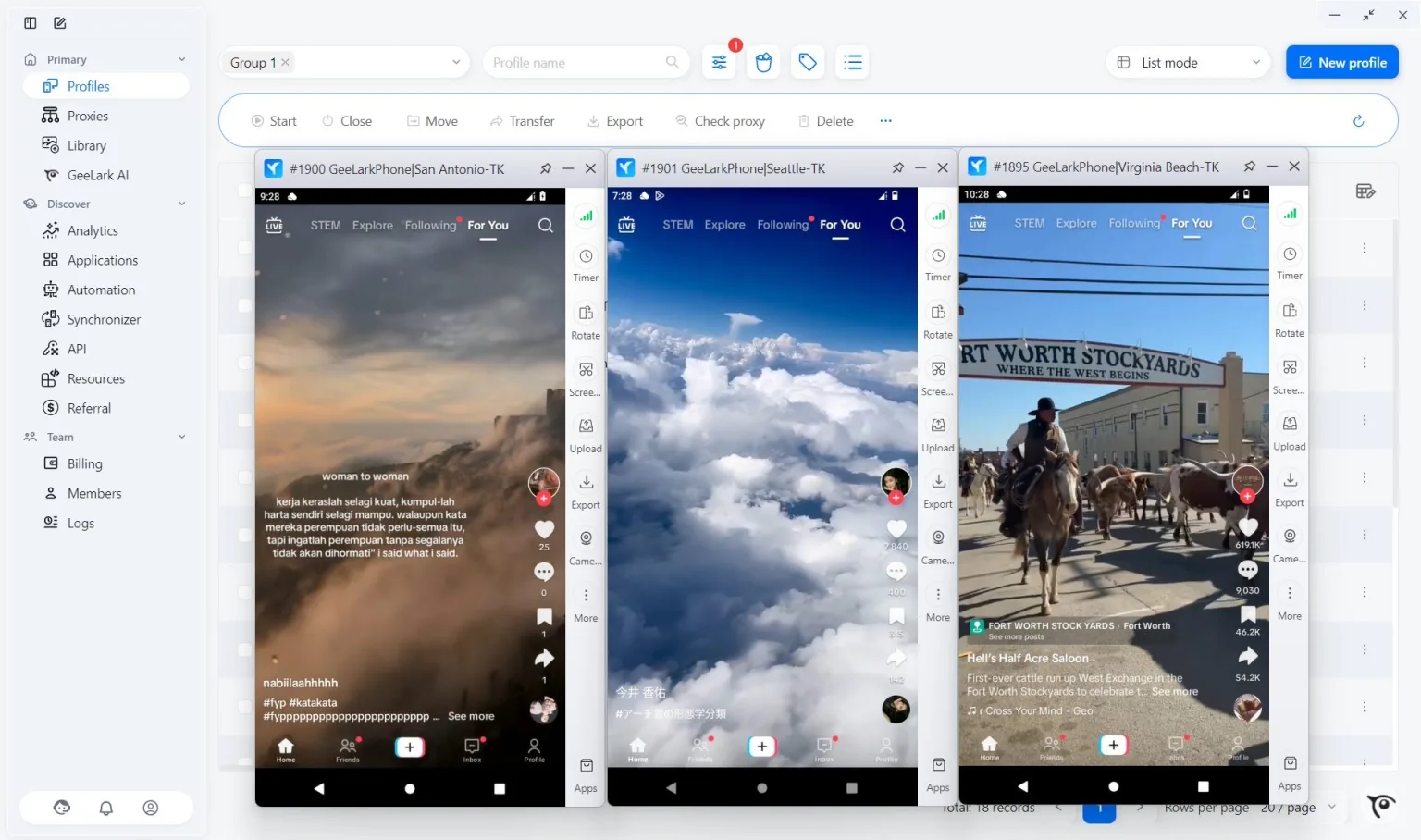
To take advantage of busy periods, you can use scheduling tools such as GeeLark. This cloud‑based solution not only separates multiple social profiles but also lets you plan posts ahead of time. This ensures your content goes live when your audience is most active, even if you’re offline.
Collaborate With Other Creators
Partnering with other creators is a great way to spark more engagement. When you work together, you tap into each other’s audiences. Depending on the platform, your content may appear on their profiles, instantly increasing your reach. This extra engagement signals to algorithms that your content is valuable.
There are several ways to collaborate: create joint posts, re‑share each other’s content or host live sessions together. Choose partners within your niche whose values match yours. You’ll likely share similar audiences, increasing the potential for meaningful interactions.
Maintain Posting Consistency
Regular posting is favored by most algorithms. The more you share, the more context the algorithms gather about your content. This helps them categorize your profile more accurately, which can boost your visibility in feed and search results.
If you manage several accounts across different networks, consider using GeeLark to stay consistent. Create batches of content, upload them to the platform and choose the desired publishing dates. The service will handle the scheduling for you.
GeeLark provides automation templates that leverage cloud phones rather than APIs. These templates replicate natural user interactions — such as tapping the screen and icons — when posting, reducing the likelihood of triggering automation warnings.
Repurpose Content Strategically
Repurpose your top-performing videos across multiple platforms. If an SEO-optimized clip does particularly well on TikTok, for example, share it on YouTube Shorts and Instagram Reels to enhance your reach on those channels.
Be sure to adapt your content for each platform, though. For instance, shorten a five-minute TikTok video to match YouTube Shorts’ three-minute cap and remove any watermarks to prevent the YouTube algorithm from lowering its priority.
Platform-Specific Social Media SEO Strategies
If you already have particular networks in mind, here are some optimization tips tailored to each one:
- Pinterest: Use key phrases in your Pin and board titles and descriptions. Choose longer, more specific phrases like “How to bake X cake” rather than a generic “cake recipe,” and share high-quality vertical visuals.
- Facebook: Update your page and About section with relevant keywords and a clear description of your identity and services. Post frequently, participate in groups and include alt text with your photos.
- TikTok: Populate your captions with appropriate keywords and hashtags, duet and stitch other creators’ content, and take part in popular challenges using the associated tags.
- YouTube: Craft descriptive titles and descriptions, utilize cards and end screens to promote other videos and include time stamps to tell viewers what each segment covers, which helps with viewer retention.
- X (formerly Twitter): Compose a bio infused with keywords, pin a tweet that showcases your content style and compose threads to keep visitors on your page longer.
- LinkedIn SEO: Complete every section of your profile and incorporate keywords naturally. Use appropriate hashtags so your posts can be found more easily and join trending discussions within your industry.
- Instagram SEO: Write captions that describe your posts and incorporate keywords. Mix popular, trending and niche tags. Enhance your images by editing alt text and adding overlay text when appropriate.
Boost Your Discoverability on Social Media Today
The correct social media SEO tactics will make your posts — and thus your profile — easier to find. Don’t fall behind; begin optimizing your profiles and content now to grow your audience.
Tools like GeeLark can assist your optimization by automating post scheduling. You can plan content in bulk for multiple accounts, ensuring posts go live at optimal times and maintaining consistent activity.
FAQs
Is social media SEO worth it?
Definitely. Optimizing your posts improves their visibility within social platforms and can also help them appear in Google. More people seeing your content means greater engagement and faster follower growth.
Is social media SEO the same as traditional SEO?
Not exactly. Although both approaches use similar techniques, such as keyword usage, they serve different purposes. Traditional SEO aims to raise a website’s position in search results, whereas social media SEO seeks to elevate the visibility of your content and profile within social platforms.
Can well-optimized social media posts rank on Google?
Yes. Google often indexes social posts and shows them in search results when they’re pertinent to queries. Optimized posts are more likely to appear.
How important are keywords in social media SEO?
They are very important. Keywords allow algorithms to understand and align your content with user searches. Use them in your bios, titles, captions, overlay text and alt tags whenever appropriate.