
Payment Integrations: Apple Pay, Google Pay, and Wallets
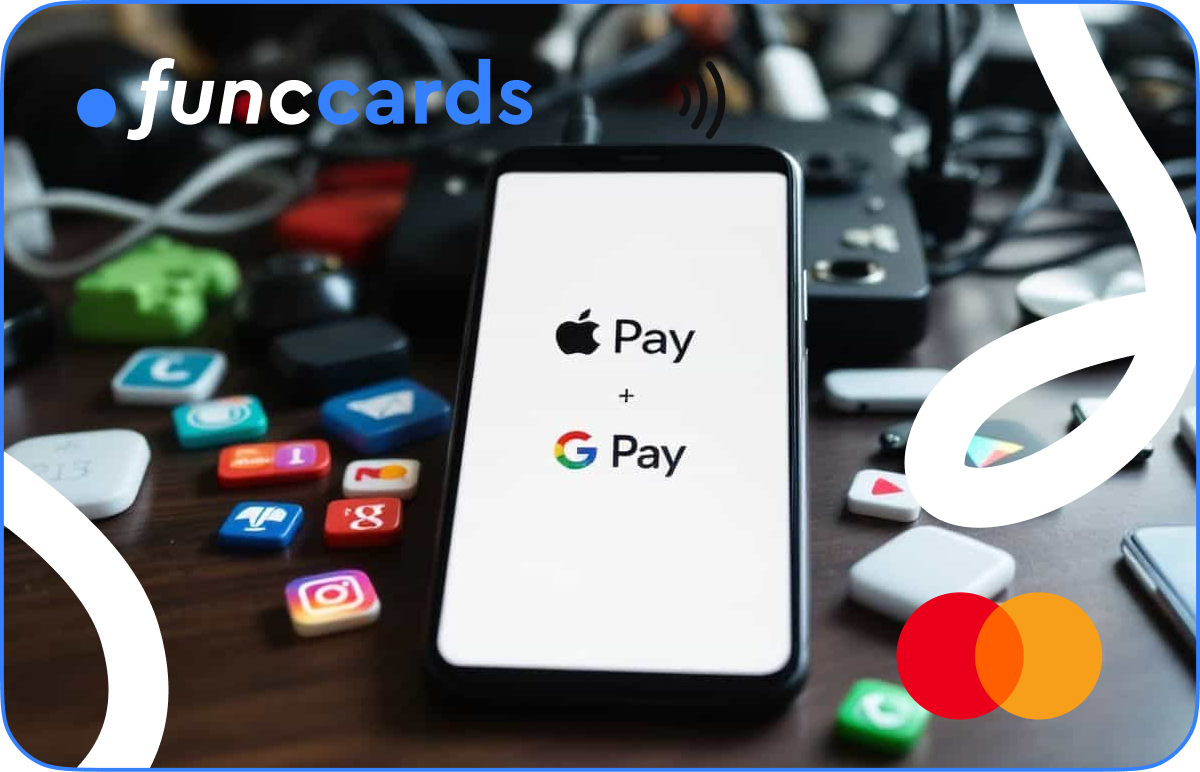
The transition to a cashless society will have reached its peak, making mobile wallets the primary interface for global commerce. Physical plastic has become a relic of the past, replaced by high-security digital tokens stored in smartphones. For businesses and individuals alike, the ability to integrate virtual cards into Apple Pay and Google Pay is no longer an optional feature—it is the foundation of modern financial mobility.
This shift is particularly vital for the millions of expats across Europe and businesses managing decentralized teams. By leveraging mobile wallet integrations, users can enjoy the convenience of a traditional bank card with the enhanced security and speed of a digital-first platform. This guide explores how these integrations solve real-world challenges for migrants, freelancers, and global enterprises.
The Role of Mobile Wallets for European Expats
For expats settled in Poland, Spain, the Czech Republic, or the UK, the “mobile-first” approach is a game-changer. Navigating local bureaucracy to get a physical card is often time-consuming. However, a virtual card that supports instant tokenization allows new arrivals to pay for public transport, groceries, and utilities immediately upon arrival.
Beyond simple convenience, these integrations provide a bridge to local economies in regions like Hungary and Bulgaria. The following list outlines the strategic advantages for individuals using mobile wallets to manage their lives across European borders:
- NFC Contactless Payments: Tap your phone at any retail terminal in Spain or Poland to pay securely without needing physical plastic.
- Instant Card Provisioning: Add your virtual card to your Apple or Google Wallet within seconds of issuance, bypassing the need for a mailing address.
- Advanced Tokenization: Protect your primary account details by using encrypted tokens for every transaction, significantly reducing the risk of fraud.
- Seamless Regional Travel: Move between the UK, Czech Republic, and Germany using a single digital wallet that handles local currency conversions.
By removing the physical card from the equation, expats gain a level of security and flexibility that traditional banks simply cannot match. This digital autonomy ensures that whether you are in Sofia or Madrid, your capital is always ready for use through the device you carry every day.
Empowering Global Teams with Wallet-Integrated Payroll
For modern businesses, the ability to issue Virtual cards that are wallet-ready is essential for effective team management. Whether paying salaries to contractors in Poland or per-diems to staff in the UK, businesses need a way to provide instant, spendable liquidity to their workforce.
Integrating payroll with mobile wallets transforms the employee experience from waiting for a bank transfer to having immediate access to funds. The following table highlights the operational superiority of wallet-ready virtual cards over traditional corporate banking methods – Global Acceptance.
Limited by physical card chipUniversal (Any NFC terminal)
| Feature | Traditional Corporate Banking | Wallet-Ready Virtual Card Systems |
| Time to Spend | 5–10 days (Card delivery) | Instant (Digital provisioning) |
| Spending Visibility | Delayed (Monthly statements) | Real-time (Live dashboard alerts) |
| Fraud Protection | High risk of lost plastic | Maximum (Biometric authentication) |
As the data indicates, virtual cards integrated with Apple and Google Pay provide a more resilient and cost-effective infrastructure for business spend. This allows companies to scale their operations across Europe without the logistical headaches of managing physical card inventories for a mobile workforce.
Crypto Funding: The Future of Wallet Liquidity
A critical advantage of modern payment platforms in 2026 is the ability to fund digital wallets using cryptocurrency. For crypto-native users and businesses, the 24/7 nature of digital assets often clashes with the slow “office hours” of traditional banks. Crypto-to-wallet integration solves this by providing instant liquidity.
To maintain operational momentum, users can top up their master balance with USDT and immediately see that balance reflected in their Apple Pay or Google Pay. This funding model is particularly beneficial for high-volume users in the UK and EU for several reasons:
- Bypassing Banking Holidays: Top up your wallet-ready virtual card at 2 AM on a Sunday and have spendable fiat in minutes.
- Privacy and Security: Keep your main bank account separate from your daily expenses by using crypto-funded digital tokens.
- Immediate High-Value Spending: Fund large ad campaigns or corporate purchases using crypto assets without waiting for traditional wire clearances.
- Cross-Border Efficiency: Fund your balance in one region and spend it via your mobile wallet in Poland, Spain, or Hungary instantly.
This integration of crypto and mobile wallets represents the apex of financial freedom in the 2026 economy. It allows users to control their wealth on their own terms while retaining the ability to pay for any physical or digital service globally with a single tap of their phone.
Building Regional Success with FuncCards Infrastructure
Managing payment integrations across diverse European markets like the UK, Poland, Spain, and the Czech Republic requires a platform built for technical excellence. Fragmentation in local banking can lead to transaction declines, but a unified API-first approach ensures that your wallet-ready cards work every time.
At FuncCards, we have optimized our infrastructure to support seamless Apple Pay and Google Pay integration. Our platform allows businesses to manage thousands of virtual cards from a single balance, providing the centralized control needed to oversee teams in Hungary, Bulgaria, or the UK. With high-trust BINs and real-time monitoring, we ensure that your digital tokens are accepted globally, from local cafes in Prague to high-end retail in London.
Common Questions About Mobile Wallet Integration
As users transition away from physical cards, several common questions arise regarding the safety and utility of mobile wallets in the European market. The following answers provide clarity on how these systems operate for both individuals and businesses in the current year:
Can I use my virtual card at an ATM in Spain or Poland?
Yes. In 2026, most ATMs in Spain, Poland, and the UK are equipped with NFC (contactless) readers. You can simply tap your phone with your integrated virtual card and use your biometric data to withdraw local cash if needed, though physical cash is increasingly rare.
Is it safe to fund my Apple Pay card with USDT?
Absolutely. The process involves funding your secure FuncCards balance with USDT, which is then converted into spendable fiat currency on your virtual card. This card is tokenized within your Apple Pay or Google Pay, meaning your actual balance and crypto details are never exposed to the merchant.
How do these integrations help expats with local residency issues?
Traditional banks often require months of local utility bills before issuing a card. Our virtual cards can be issued and added to a mobile wallet almost instantly, providing expats in countries like Hungary or Bulgaria with an immediate way to pay for housing and essentials while they finalize their paperwork.
What happens if I lose my phone with the integrated cards?
Your security is actually higher than with a physical card. Your mobile wallet requires FaceID, TouchID, or a passcode to function. Furthermore, you can log in to your FuncCards dashboard from any device and instantly “freeze” all your virtual cards, ensuring that your funds remain safe even if your hardware is lost.
Do these cards work for recurring subscriptions like Netflix or Spotify?
Yes. A virtual card integrated into a wallet has its own 16-digit number, CVV, and expiry date. You can use it for both one-tap physical payments and as a dedicated card for all your online subscriptions, providing a unified way to manage your digital and physical expenses.